Module 3
- Jul 18, 2024
- 22 min read
Updated: May 5, 2025
Element 3a: Have current first aid knowledge
i. Assemble a first aid kit for group use on a walk in lowland country
Seen and signed off on training walk with Ann, 27.4.25
ii. Hold a current 1st Response attendance certificate or equivalent first aid qualification (plus 1st Response e-learning) which must include choking and CPR treatment for children and adults
Girlguiding Lancs North West 1st Response, Completed: May 4th 2025, Lostock Hall Guide Centre, Preston.
Girlguiding 1st Response E-Learning, Completed: December 19th 2024

Outdoor Emergency First Response Course, to be booked: Outdoor first aid course
iii. Discuss the particular health and safety issues you need to consider while walking, including prevention of hypothermia and heat-induced disorders
There are several health and safety challenges and issues you may come across whilst walking in the countryside, some of them are detailed below:
Environmental hazards, such as falling over uneven terrain including rocks, trees, slipping on hills, or falling. Carrying prepared items in a first aid kit can help with this, as well as having first response or first aid training.
Weather conditions which could cause problems, such as wet floors being slippy, mud and flooding which could cause injury, as well as extreme weathers which could cause hypothermia or heat-induced disorders if not prepared.
Where you're walking, and if it is accessible to emergency vehicles and signal to call emergency services.
Wild animals and live stock, animals may become aggressive such as cows or dogs which you may encounter, being careful around long grass which may involve ticks. Insects and bug bites and stings may also cause issues. Wearing longer clothing if long grass is known on the route could be advised, as well as carrying insect repellent and medication to help with stings.
Exertion and fatigue may hit group members if walking long distances and people may become exhausted. Carrying extra water and food for quick energy release can help with this.
Allergies to insects or plants which you may find along your route.
Sunburn and dehydration in hot weather, making sure you have the correct equipment, such suncream, which is applied regularly, a sunhat, enough water for the duration of the route, or facilities to refill, sunglasses.
Going near bodies of water can pose dangers to life such as risk of drowning, being swept away, etc. Water safety training can be helpful for situations around water.
Steep cliffs if walking up higher mountains can pose a risk of injury, falling, or death.
iv. Explain how to deal with the types of accidents and injuries commonly associated with walking, including blisters, sprains and strains
Some common types of accidents and injuries commonly associated with walking and how to respond to them whilst out on a walk are detailed below, further :medical attention may be required by a pharmacy or doctor:
Type of injury: Blisters
Cause: Blisters are fluid-filled bubbles which form on the skin due to friction between skin and footwear being worn. They can be painful and pop if not taken care of.
Prevention: Wearing well fitting shoes with comfortable socks which can present moisture whilst walking.
First aid: Do not burst the blister if it can be helped as this can increase the risk of infection.
Wash the skin around the blister with clean water or an antiseptic wipe and gently pat the skin dry with a sterile clean, non-fluffy cloth. If you cannot wash the area, try to keep it as clean as possible. If the blister was caused by friction against the skin, cover the area with a plaster, making sure the pad on the plaster is larger than the blister area. If one is to hand, is a specific blister plaster to provide extra protection.
Type of Injury: Sprains and strains
Cause: Sprains can be caused by over stretching or tearing of a ligament, which connects bone to bone, this can be done by walking over uneven group or twisting/going over on an ankle, or falling over. Strains are similar however are injuries to the muscle or tendon, which connects the muscle to the bone. Symptoms include pain, bruising, swelling, tenderness or weakness around ankles, feet, wrists, thumbs, knees, legs and backs.
Prevention: Warming up before going out for a walk and build up to the desired exercise amount.
First Aid: Follow the 'RICE' Method: R - Rest, help the injured person to sit down or lie dow and support the injuried area, preferably in a raised position, I - Ice, apply an ice pack or cold compress to try and cool the area. This should help reduce swelling, pain and bruising and should be held against the area for at least 20 minutes. C - Comfotable support, help the injuried person to get comfitable, providing them with a blanket, coat, cushion etc, to help support the injury. The injured person may chose to take a pain relief medication. E - Elevate, elevate the injuried area where possible. If the pain is sever to the point they can not move, seek external medical advice and transport.
Type of Injury: Stings
Cause: Stings can be caused by bees, wasps, or plants such as nettled. They are not typically dangerous unless the person stung has an allergy. Symptoms may include stinging pain, redness, swelling and irritation.
Prevention: Avoid nettled areas and aggravation to insects.
First Aid: If the sting is from a bee or wasp, use something to remove the stinger by brushing it or scraping it off, do not use tweezers to pull it out as this can realise poison and cause the sting to get worse. If stung by a plant, wash the area to clean away any nettle hairs. Once the area is clear, hold a cold compress such as an icepack to the area for 15 to 20 minutes, repeating this every hour where necessary. Avoid scratching or itching the area affected.
Type of Injury: Bites by an insect
Cause: Bitten by an insect whilst out and about, such as a midge, horsefly or spider. Symptoms can appear with redness, itching or lumps on the skin,
Prevention: Wear insect repellant when necessary
First Aid: Hold a cold compress such as an icepack to the area for 15 to 20 minutes, repeating this every hour where necessary. Avoid scratching or itching the area affected. Take anti-histamines to help relieve the itch or pain killers if the sting is painful.
Type of Injury: Bites by an animal
Cause: Being bitten by sharp pointed teeth which can cause a puncture wound, such as a dog.
Prevention: Avoid contact with dogs when walking past them on a route without prior agreement from an owner first.
First Aid: Wash the wound thoroughly as soon as you can with soap and war water, this will help reduce the risk of infection. If the wound is bleeding, use a sterile cloth to apply pressure and raise and support the wound. If the wound is not deep and has stopped bleeding, pat the wound dry and cover with a clean gauze and sterile dressing. If the wound is deep, call 999.
Type of Injury: Ticks
Cause: Walking in woodlands or grassy areas and brushing past them and accidently picking them up. Tick season is usually between March and October, however could last longer depending on wet or warmer weather. Symptoms of a tick bite may include swelling, itching, blisters or bruising, or the tick still being stuck in the skin.
Prevention: Wear longer clothing is walking through grassy areas or woodland. as well as keeping to footpaths.
First Aid: If the tick is still in the skin, use fine-tipped tweezers and grasp the tick as close to the skin as possible, slowly pull upwards, taking care not to squeeze the tick and leave part of it in the skin. Dispose of the tick once removed. Following the bite of a tick, clean the wipe with an antiseptic wipe or soap and water. Advice the person who has been bitten to look out for rednedd and to go to the doctors if this happens. https://www.girlguiding.org.uk/globalassets/docs-and-resources/learning-and-development/1st-response/public-health-tick-awareness-document.pdf
Type of Injury: Cuts and Scrapes
Cause: Falling over and the skin has broken. Cuts will typically bleed if deep, with scrapes and grazes only affecting the top layer or layers of skin.
Prevention: Not always avoidable.
First Aid: Clean the wound by rinsing it with running water or a sterile wipe, do not rub the wound. Once it has stopped bleeding, pat the wound dry and cover with a sterile dressing. If the skin has been cut and is bleeding keep the wound away from the group and cover with a sterile dressing or plaster.
Type of Injury: Sunburn
Cause: Exposure to the sun which can cause skin to go red, painful and possibly blister. Some people may develop heat exhaustion also.
Prevention: Wear a high-factor suncream and avoid going out in direct sunlight at peak times of the day where the sun is at its highest.
First Aid: Remove the person from the sun as soon as possible, and cover the skin with light clothing. Provide the person with cold water to drop and also try to cool down the skin with cool water and a cloth for 10 minutes. If in pain, the sunburnt person may take a pain relief medication to help relieve any soreness. When possible, apply an aftersun gel to the affected area.
Type of Injury: Allergic Reactions
Cause: Having an allergy to a food, plant, animal, etc. Symptoms may include redness, itching, watering eyes, swelling, abdominal pain, coughing, difficulty breathing, confusion or shock.
Prevention: If the allergy is known, avoid the allergy, and carry medication with you for if an allergy is to happen.
First Aid: If the person is having a sever allergic reaction they may carry medication such as an epi-pen, use this if it is known. Call 999 straight away and tell them about a suspected anaphylaxis shock. If the allergy is minor and not life-threatening, make the person comfortable and allow them to take an anti-histamine, call 111 if needed.
Type of Injury: Asthma attack
Cause: Muscles in the air passages in the lungs going into spasm, causing the airways to become narrowed, making breathing more difficult, this can be triggered due to temperature, allergies, or exercise. Symptoms may include breathing difficulties, wheezing, chest tightness, difficulty speaking or distress.
Prevention: If the person has an inhaler, make sure they bring it with them and make sure the pace of the walk is suitable for all.
First Aid: Reassure the person suffering from an asthma attack, and ask them to use an inhaler if they have them. Ask them to breathe slowly and deeply and make sure they are sitting comfitable. A mild attack will normally easy within a few minutes, if it is a sever attack or gets worse, call 999 if it is their first attack, or 111 for emergancy help. Continue to monitor breathing levels.
Type of Injury: Hypothermia and frostbite
Cause: Hyperthermia occors when someones body drops below 35C, and can quickly become life threatening. Symptoms of hypothermia can include shivering, cold and pale skin, tiredness and confusion, reduced levels of response, slow and shallow breathing and weakened pulse. Frostbite is when part of the skin and other tissue freezes due to low temperatures, symptoms can include pins and needles, paleness to the area, numbness, skin colour changes or hardened skin. Frostbite often affects fingers and toes, top of the nose, ears and lips.
Prevention: Wear suitable clothing in colder weather.
First Aid: For hypothermia, get the person to a warm and dry place as quickly as possible, or somewhere to avoid wind and shield them from the elements. Remove any cold, constricting or wet clothing they may have on and get them into some warm and dry, and into a space that is about 25C, give them a hot drink or hot food such as soup as well as something with high energy such as chocolate. Continue to monitor breathing levels and call 999 if not improving. For frostbite, move the person indoors and remove any cold, constricting and wet clothing, begin to warm the affected area away from direct heat, use your hands or lap, or warm water around 40C. Dry the affected area carefully and dress where needed with a gauze.
Type of Injury: Heat Related Disorders
Cause: Heat related disorders may include heat exhaustion or heatstroke. Heat exhaustion is caused by being out in the sun for long periods of time and is caused by a loss of salt and water from the body. Heat stroke is caused by the body failing to regulate the bodies temperature and is unable to cool itself down, for instance by spending too much time int he sun. Symptoms of these can include headaches, dizziness and confusion, loss of appetite, sickness, sweating, flushed and dry skin, cramping, weakened or fast bounding pulse and rapid breathing.
Prevention: Keep out of direct sunlight, especially during the hottest parts of the day, stay well hydrated, wear loose fitting clothing as well as suncream and other sun protection such as a hat.
First Aid: For heat exhaustion, lie the person down in a cool, shaded place with their legs elevated, offer water to drink or a sports. drink. Check their breathing, pulse and responsiveness, call 999 if needed. For heat stroke move the person to a cool and shaded place, remove any outer clothing and call 999, sit the individual down and fan them, if avaliable use an ice pack around their neck or under their armpits. Continue to check their temperature, breathing levels, pulse and level of response, if they become unresponsive, put them into the recovery position.
Type of Injury: Dehydration
Cause: Dehydration happens when someone loses more fluid than they take in., this could be by sweating, not drinking enough, sun exposure, diarrhoea or vomiting. Symptoms include headaches, dizziness, dry mouth eyes and lips, passing darker urine and muscle cramps.
Prevention: Regularly have water intake and avoid being out in hot weather, using sun protection where possible.
First Aid: Sit the person down in a cool place and encourage the person the drink plent of water or fluids through small amounts. If in the first aid kit, use rehydration sachets and help replace any salts and minerals the person may have lost.
Type of Injury: Broken or fractured Bones
Cause: Falling over or another injury. Symptoms include swelling, bruising, deformity, paint, twisted limb, grating noise, unable to move properly, etc.
Prevention: Not always preventable.
First Aid: Call 999 for open fractures, broken back, neck or pelvis. If the break or fracture is a small area, remove any rings, watches or anything else that may wrap around the limb. Support the injured part of the body by holding the joint above and below the injured area and place padding around the area. Use a sling if needed to support if it is part of the arm that is injured, or with a broad fold bandage for lower limb fractures. Call for help if needed and get the person to an A&E.
v. Demonstrate how to deal with a first aid incident outdoors
Signed off on training walk with Ann, 27.4.25
vi. Ensure that current health information is carried for each member of the group
Signed off on training walk with Ann, 27.4.25
Element 3b: Plan emergency procedures
i.Demonstrate knowledge of Girlguiding accident and emergency procedures
During a girlguiding walk, an emergency file should be kept on the group leader. this should include:
The emergency action plan
Risk assessment
The route walking
Health information Forms
Information and consent forms
Emergency contacts
Any adjustment plans
Accident or incident witness statement forms
Notification or accident or incident form
The Girlguiding emergency or accident procedures are as followed, with links via the Girlguiding website:
If there's been an accident or incident, these are the first things you need to do:
Keep calm. The most important thing is that you don't panic and you think clearly.
Make sure, as far as you can, that the girls and young women you're taking care of, and the other volunteers with you, are safe.
Call the emergency services if appropriate.
What to do in a serious emergency - In case of a serious emergency you must then do the following:
If outside your guiding area, tell your home contact what has happened.
Call your commissioner to tell them exactly what happened and together decide what to do next.
Call our insurance team on 0845 260 1053 during office hours if it's a serious incident. If it's out of hours, please call the emergency PR line on 020 7592 1891 or get in touch with the insurance department on the next working day.
If it's related to a safeguarding issue, please call the safeguarding team on 0207 834 6242 ext. 3037 or the out of hours phone on 07508 032997. The out-of-hours phone line is for emergencies only, and is in operation 5pm-10pm Monday-Friday and 9am-10pm Saturday and Sunday.
Don't say that you were responsible or admit liability.
Get witnesses' names and contact details.
You may need to report the accident or incident to the HQ insurance team. This flowchart will help you to understand if the accident or incident is reportable. The following incidents must be reported to the HQ insurance team. Those resulting in:
Significant injury, discomfort or illness following an accident or incident.
Damage to property.
Incidents that involve acts of aggression or violence towards a member of staff or volunteer, including verbal abuse. If you have a safeguarding concern, follow our safeguarding policy and procedure and report to the HQ safeguarding team.
Any potential insurance claims.
Any significant near misses (see the flowchart for more information)
The Girlguiding 'What to do in an emergency' can be accessed here: https://www.girlguiding.org.uk/information-for-volunteers/running-your-unit/safeguarding-and-risk/what-to-do-in-an-emergency/
ii. Explain the action to take in the event of getting lost
There are several different actions you could use in the event of getting lost, some of the recommended ways are listed below:
Stopping where you are and Staying Calm
Pause: Stop walking immediately to avoid getting further lost.
Assess: Assess the situation, take some deep breaths to stay calm and think clearly.
Evaluate: Evaluate the situation and consider when and where you last knew your location. If possible, go back to that location and repeat.
Use the 'STOP' Method
The STOP acronym provides a helpful guide and is as followed:
S - Stop: Stay where you are; moving without direction can worsen the situation.
T - Think: Recall your route, landmarks, or anything that might guide you back.
O - Observe: Look for clues such as trails, markers, or familiar landmarks. Check your map, GPS, or phone.
P - Plan: Decide on a course of action, whether it's retracing your steps, seeking help, or staying put to wait for rescue.
Use Navigation Tools
Map and Compass: Use a map or compass to help orient yourself if you have them. Look for nearby trails or landmarks which may be able to help you locate yourself on the map.
GPS Device or Smartphone: If you have signal or data, you can use navigation apps or the GPS feature on your phone to help find your route back.
Landmarks: Identify distinct natural or man-made features like rivers, hills, or buildings that may guide you.
Retrace Your Steps
If it feels safe to do so, you can carefully retrace your route to the last known location. Thid can be done by looking for familiar signs, markers, or footprints. When doing this, avoid using shortcuts or unmarked paths, which could worsen disorientation and make you more lost.
Stay Put if Necessary
If you cannot find your way or conditions are unsafe (for instance, if it’s getting dark, visibility is reduce or the weather getting worse,:
Choose a Safe Spot: Find a sheltered, visible location to wait. If needed, wait for the weather to get better and visibility to clear.
Signal for help: You could use a whistle, torch, or brightly coloured clothing to make yourself noticeable to others who may be in the area. The universal distress signal is three short bursts of sound or light.
Use Communication Devices
Call for Help if you can: If your phone has signal, contact 999 or someone who can assist. Provide details about your location and surroundings. Text or SOS Apps can support you to find you location, such as "what3words".
Avoid Hazards
Don’t Rush: Panicked decisions can lead to further dangerous situations like falls or exposure to extreme weather.
Stay Visible: Avoid hiding or sheltering in dense vegetation where rescuers may not be able to see you.
iii. Explain the action to take in the event of an accident or emergency
There are several different actions you could use in the event of an accident or emergency, some of the recommended ways are listed below:
Stay Calm and Assess the Situation
Pause and Stay Calm: Take a deep breath to compose yourself. Panic can cloud judgment and make wrong decisions.
Evaluate the Scene: Determine the nature of the emergency, for instance, is it an injury, illness, or environmental hazard, and whether there is immediate danger, such as falling rocks, bad weather.
Ensure Safety: If possible, move away from any hazards, such as unstable or uneven terrain.
Check for Injuries
Assess Yourself and others who may need help if you can: Check for any visible injuries and ask others involved about any pain or symptoms they may have.
Prioritise any Life-Threatening injuries or conditions: This could include severe bleeding, breathing difficulties, or unconsciousness. Call 999 if life threatening injuries are present.
Administer First Aid
For Minor Injuries such as cuts, scrapes: Clean the wound with soap and water before applying an antiseptic and cover with a sterile dressing.
For Sprains or Strains follow the RICE method as detailed above.
For Severe Bleeding apply firm pressure with a clean cloth to stop bleeding, elevate the injured area if possible.
For Head Injuries or Suspected Broken Bones, use padding around the affected area and avoid moving the injured person unnecessarily.
Decide whether further medical attention is needed, such as 999
Contact Emergency Services where needed, if the injuries sustained are serious, call for 999 immediately.
If there is no phone signal, you may need to signal for help: This could be done using a whistle, torch, or brightly coloured clothing to attract attention. Three bursts of sound or flashes signal distress, as stated above. If No Immediate help Is available, stabilise the situation as best as you can, providing first response to keep the injured person comfortable. If no help is coming, for instance if there is no phone signal, and it’s safe to do so, a third person may need to leave to seek assistance. Leave detailed notes about your location and condition.
Prevent Further Danger
To avoid further damage, avoid moving too far away and tay close to the accident site unless it’s unsafe.
Notify Emergency Contacts
Inform family or friends about the incident as soon as possible, especially if the situation delays your return.
Element 3c: Demonstrate knowledge and understanding of weather
i. Explain how to obtain weather forecasts
Before setting out on a walk, it is imporant to check the weather. Weather forecasts can be obtained from several places including online websites such as the BBC, Met office, etc, and apps for your phone such as the weather app and Accuweather.
ii. Show that you have obtained a weather forecast for one of your walks
This can be seen in the Walking Scheme Route Log Book section of the Personal Challenge page.

iii. Monitor changes in weather during walks in lowland country
See log book for photos.
iv. Discuss the ways in which weather may affect the group
Weather can impact the group in a range of ways including cancelling a walk, some of these may include:
Rain: Rain can cause unsuitable weather to set out in, it can cause flooding, slippy terrain, and poor visibility. If rain begins whilst out on a walk, people's clothing can become wet and uncomfortable which can cause discomfort, blisters and increase risk of hyperthermia.
Cold weather: Cold weather exposure can lead to hypothermia or frostbite, it can also cause rain, ice and snow which can make it unsuitable to head out for walking in. Going out in cold weather can risk illness and injury.
Heat or sun: High temperatures can cause dehydration, and other heat-releated issues which can cause harm to an individual. It may be best to not head out during peak sun hours due to the risks it can cause to people's health.
Wind: Strong wind can cause sever balance issues, especially when out in an open environment or hiking in hills and mountains. If members are carrying backpacks, their balance could be knocked which coud lead to injury. Wind can also cause an impact on nature, such as falling trees and branches.
Fog: Fog can cause low visibility whilst walking which could lead to navigation challenges and people becoming disorientated. If up high or near cliffs, there is risk of injury or death if becoming lost.
Storms: Storms pose an impact similarly to heavy rain with the addition of lightening posing a risk. Sudden storms can lead to anxiety and disorientation.
v. Explain how to prevent adverse weather affecting the safety, comfort and enjoyment of the group in lowland country
Begin by planning ahead. Before you head out on your journey, check the weather forcast, make sure it is suitable for everybody and schedule your route to suit. For instance, cancelling if a storm is approaching or a heat wave is due.
Peoples safety should be prioritised and the walk can be rescheduled for a better time.
Dressing appropriately can help keep stay safe and comfortable on the walk. This should involve a layered clothing system if possible, with suitable footwear at all times.
Make sure that the essentials are packed. This includes any clothing that can help against the elements, such as a raincoat, sunhat, suncream, etc. Make sure that an emergency first aid kit, as well as a map and compass to ensure safety if phone signal is lost. Make sure to also carry enough water and food for the day with items to bring energy to people who may need it, including staying hydrated.
Be able to adapt to weather changes:
Rain: Wear waterproof layers and consider gaiters to keep feet dry. Avoid flooded areas and slippery paths.
Heat: Take frequent breaks in shaded areas. Wear breathable clothing and avoid the hottest parts of the day.
Wind: Use windproof clothing and avoid exposed areas during strong winds.
Cold: Keep moving to maintain body warmth. Add layers if you start to feel chilled
Monitor the weather conditions whilst out walking, making sure to stay alert to any sudden changes or temperature drops. Stay aware of your surroundings and plan for places to shelter if needed. This can be part of a contingency plan, as well as turning around if needed.
Make sure to stay connected to each other and communicate to help maintain safety and enjoyment whilst out walking.
Element 3d: Demonstrate knowledge of hazards
i. List the potential hazards and in lowland country and their effects, including people, weather, difficult terrain and water hazards
Lowland countryside can provide a variety of hazards which could affect the people enjoying them in a range of different ways, some of these include:
Hazards in lowland countryside including people may include, littering which will have an effect on the environment, having bbq's could also lead to littering and also wildfires. People can pose a risk to habitats and ecosystems. Hazards to other humans could include running into strangers, illegal activities, crime and vandalism, unsupervised groups or inexperiences hikers, recklessness which may lead to injury or violence.
Hazards in lowland countryside including weather may include, sudden changes in weather which people may be unprepared for, leaving people at risk of injury and possibly death, sudden environmental changes or natural disasters such as flooding. trees falling if stuck by high winds, etc.
Hazards in lowland countryside including difficult terrain may include, poorly maintained footpaths and facilities, slippy surfaces and falling rocks, which could lead to a risk of falling or injury.
Hazards in lowland countryside including water may include, fast flowing water or stagnant water which could pose a risk to health and also life is a human goes into the water. Water levels could rise in rainy or stormy weather which could lead to further environment damage and flooding, which again, could lead to injury or death.
ii. Discuss ways of dealing with these
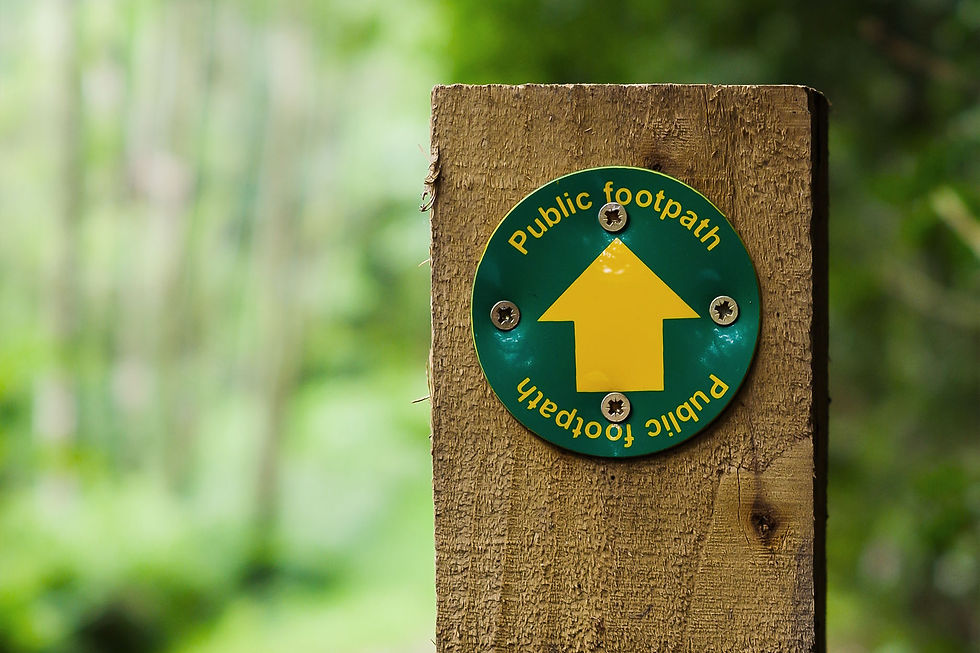
Ways of dealing with hazards in lowland countryside including people may include, taking litter home and following the countryside code. Staying to designated footpaths and dangerous areas which may not be maintained. Do not trespass in areas such as farm lands or other areas where people are working with machinery.
Ways of dealing with hazards in lowland countryside including weather may include, cancelling plans or turning back when weather changes. Watching out for hazards and planning ahead.
Ways of dealing with hazards in lowland countryside including difficult terrain may include, planning the route to find out any hazards and what to watch out for, coming up with a contingency plan if terrain is unsafe or unpassable.
Ways of dealing with hazards in lowland countryside including water may include, rerouting to avoid flooded areas or if flooding is expected to cancel the walk.
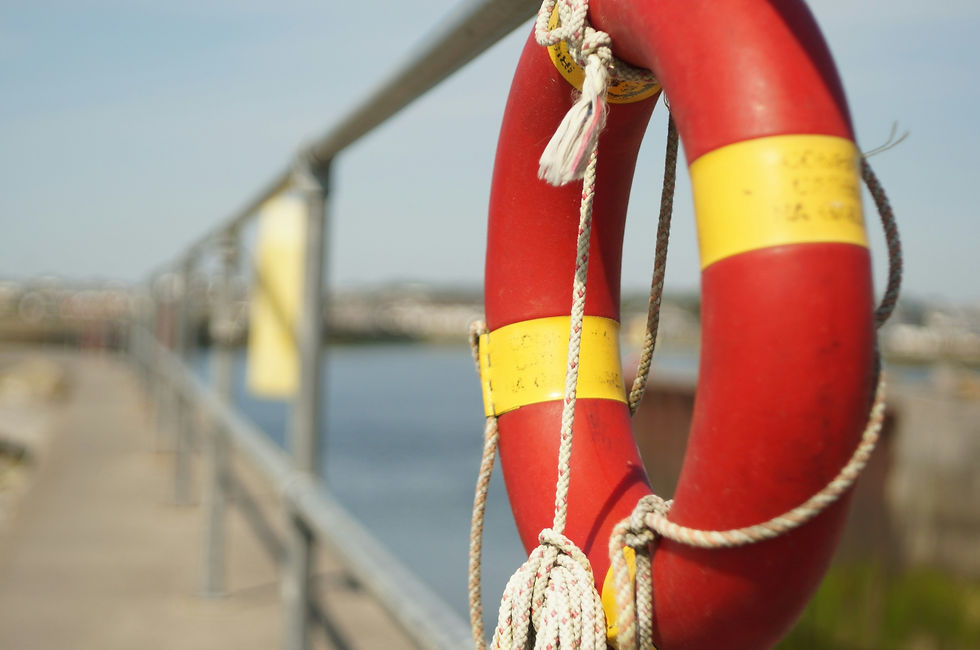
If a person enters the water and comes into difficulty, call 999 and seek something that can float and throw it to the person in difficulty.
How to save a drowing person includes: Being alert and spotting for signs that someone may be in distress, this isnt always verbal, do not entre the water as it ay be cold and may cause you to need help too, call 999 or call for help if you have no phone/signal, shout over to the person in distress and encourage them to stay calm and to float, kicking their legs gently. Next, find a floatation device, this could be anything that floats. Once the person is safe to rescue and by the edge of the water, get down on one knee or lie down to help with your balance, and help pull the person to safety.
iii. Explain the potential dangers which may be associated with some plant and animal species, how to recognise and avoid them, and the treatment of their effects
Stinging Nettles

Danger: Nettles can sting when comes into contact with skin
What can happen: itchy, stinging and burning sensation on the skin which usually settles down within a few hours, or days.
How to recognise them and how to avoid them: A dark green plant which has hairs on its stem, dropping leaves which are oval and toothed edged. Nettles grow year round throughout the UK in grasslands, farmlands, wetlands, towns, etc. Look out for clusters of them growing anywhere and avoid, or stepping over where possible.
Treatment for their effects: Clean the area with soap and water to remove any stinging hairs that may be left on the skin, apple a damp cool cloth or an icepack to help with irritation. Dock leaves are a natural treatment which can be used on them, which can be often found growing next to nettles.
Giant Hogweed

Danger: Giant Hogweed can cause burns, when touched it makes skin extremely sensitive to sunlight.
What can happen: Skin can blister and burn which can be reoccurring.
How to recognise them and how to avoid them: Giant hogweed can be found throughout the UK and is not native to the countries. They are usually found growing in un-maintained or neglected areas or at the sides of roads and rivers. They can be recognised by their cluster of white flower heads shaped in an umbrella on a thick stem which can grow up to 60cm tall. They typically appear in June and July
Treatment for their effects: Wash the area thoroughly and cover with a sterile gauze, avoiding sunlight to the area until healed.
Thorny Plants, such as roses, hawthorn, holly, etc

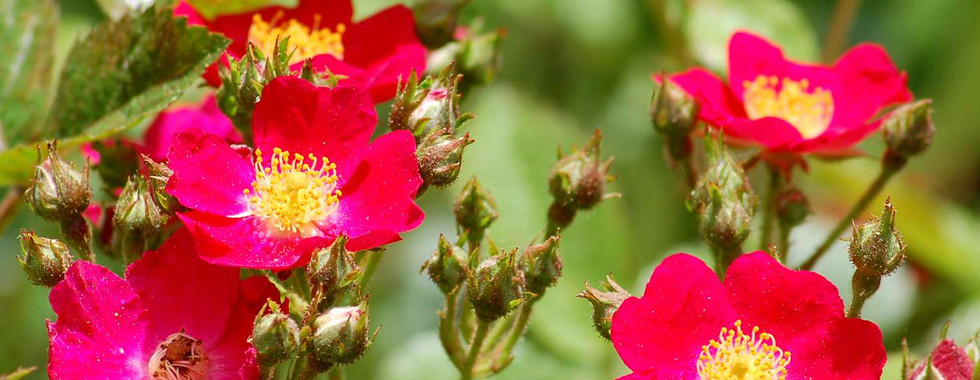


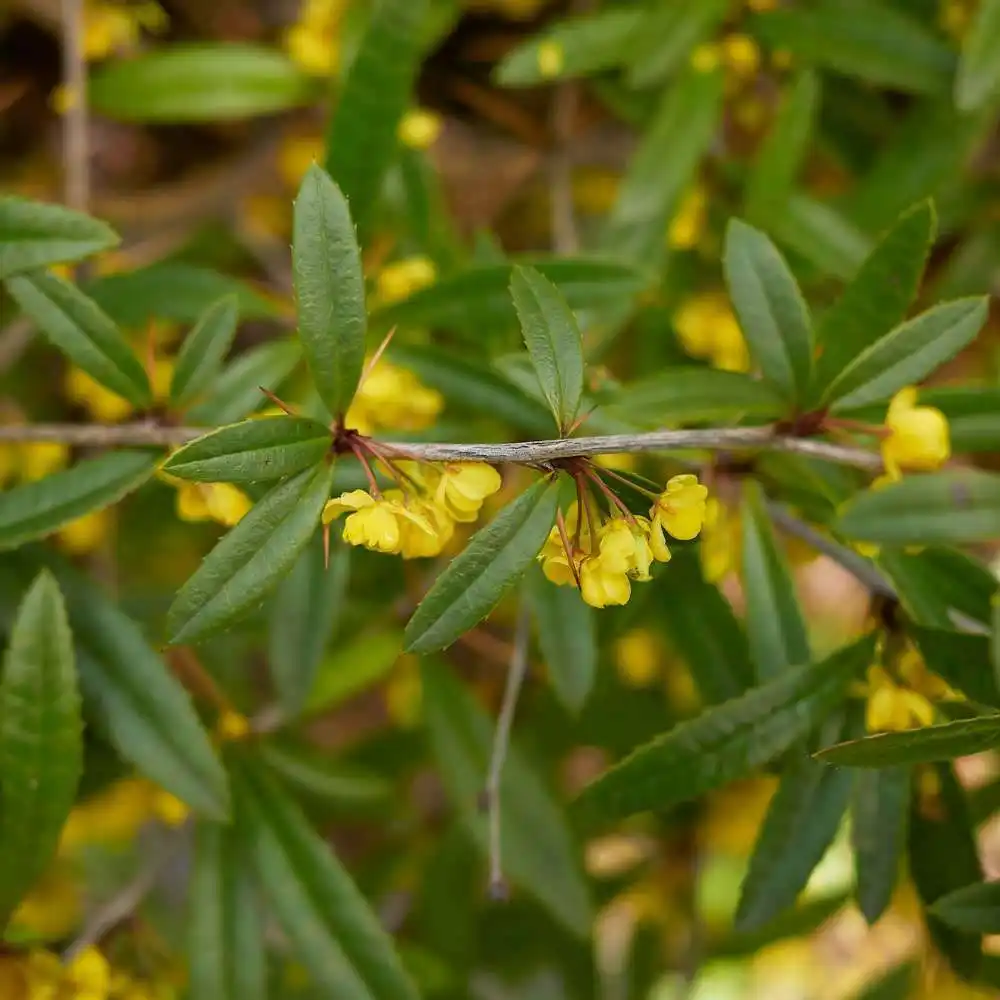
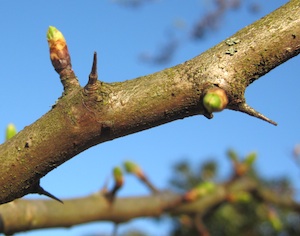


Danger: Risk of cuts and getting spikes stick in skin
What can happen: Spikes can get stuck in skin and cause irritation, and cuts can be formed.
How to recognise them and how to avoid them: Look for thorns around the leaves and stems of the plants and avoid brushing past them.
Treatment for their effects: Remove any spikes with tweezers, before washing any cut with soap and water or an antiseptic wipe and covering the area with a plaster.
Poisonous plants such as nightshade, foxgloves and hemlock


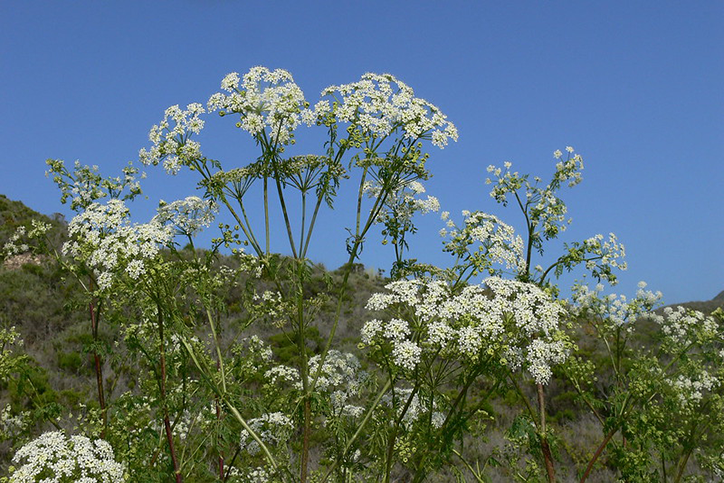


Danger: Touching or digesting the plant can cause danger to health and sometimes life.
What can happen: Sweating, vomiting, breathing difficulties, hallucinations, skin irritation and more.
How to recognise them and how to avoid them: Depends on the plant. See photos above.
Treatment for their effects: If digested, seek medical help immediately.
Some animals that may be found out in the countryside include:
Adder snake

Danger: Venomous
What can happen: If provoked, stepped on or picked up can bite. Bites can be painful and cause inflammation.
How to recognise them and how to avoid them: Thick bodied, up to 60cm, Large head with zig-zag pattern across their backs.
Treatment for their effects: Medical attention.
Hairy caterpillars

Danger: Toxins which can harm people when touched
What can happen: Irritation to skin, eyes and throat
How to recognise them and how to avoid them: A range of different types, however only a couple are toxic. Small fluffy caterpillar. They usually can be found year round in gardens, grasslands, marshes and boggy areas.
Treatment for their effects: Remove any hairs from the skin using tweezers if necessary. Wash the area with soap and water, apply an ice pack for 10 minutes to help with irritation.
Cows

Danger: Risk of being trampled
What can happen: If cows are agitated or spooked and injure humans.
How to recognise them and how to avoid them: Cow, can be found in fields, be respectful when crossing fields and do not approach.
Treatment for their effects: Hospital.
Spiders such as the false widow.

Danger: Painful bite
What can happen: Irritation to skin and redness
How to recognise them and how to avoid them: 8 legged creature.
Treatment for their effects: Wash the area with soap and water, apply a cold compress for 15 minutes. Take pain relief if needed or an anti-histamine. If the bite or symptoms worsen, seek medical help
Ticks

Danger: Risk of Lyme disease.
What can happen: Swelling, itching, blisters or bruising, or Lyme disease.
How to recognise them and how to avoid them: Can be found around the UK in woodlands and long grass, avoid long grass or wear long clothing. Small spider-like body around 1 to 3mm in size which are reddish brown ad fairly flat.
Treatment for their effects: If the tick is still in the skin, use fine-tipped tweezers and grasp the tick as close to the skin as possible, slowly pull upwards, taking care not to squeeze the tick and leave part of it in the skin. Dispose of the tick once removed. Following the bite of a tick, clean the wipe with an antiseptic wipe or soap and water. Seek medical attention if you can not remove the tick.
Midges

Danger: Midge bite
What can happen: Burning sensation and irritated skin
How to recognise them and how to avoid them: Small thin fly with long legs and long stripy black back. Avoid by using insect repellent
Treatment for their effects: Hold a cold compress such as an icepack to the area for 15 to 20 minutes, repeating this every hour where necessary. Avoid scratching or itching the area affected. Take anti-histamines to help relieve the itch or pain killers if the sting is painful.
Comments