Water Safety Module
- Apr 27, 2025
- 9 min read
Updated: May 4, 2025
Element 1 - Demonstrate knowledge of water safety out and about
a. Identify and manage common potential dangers near water
Risks and dangers around water may include:
Risk of drowning in both high and low levels of water.
High water levels, strong currents can cause people to get into trouble.
Dangerous ground, such as wet rocks, mud, etc, which can cause people to slip or fall.
Water contamination, such as sewage in water, bacteria, etc.
Risk of falling, such as off piers, places with no fences or barriers, etc.
How to manage people around potential dangers:
Supervise people around the areas.
Check weather and water conditions before going out.
Risk assess the area before or make dynamic risk assessments.
Wear supporting footwear such as sturdy trainers.
Stay away from dangerous areas, such as eroded paths or roots sticking out around the water edge.
b. Explain the dangers of walking near inland waters, such as streams, rivers canals, lakes, ponds and near coastal waters
Dangers of walking near inland waters may include:
Eroded banks, such as mud, algae or loose soil could cause a trip hazard are cause people to get stuck.
Steep bank edged, these could collapse and cause to danger of falling.
Water currents could be strong which could lead to people falling in and leading to further danger.
Cold temperatures could lead to potential dangers if falling in, such as shock.
Sandy and muddy areas could cause the likes of quick sand which could cause people to get stuck.
Slippery surfaces could cause a person to slip and fall into the water, leading to further danger.
Once in the water, or in danger, this could lead to further complications which could lead to drowning, injury, etc.
c. Explain how to supervise groups to minimise dangers
There are a range of ways of supervising a group to help minimise dangers, which could include supporting young people through to adults:
Preplanning the walk or activity - creating a risk assessment of the area to be aware of risks, coming up with an emergency plan for if any emergencies take place.
Before the walk takes place, go through boundaries and rules for the group to follow, such as staying away from path edges, listening to instructions, etc.
Make sure that the group numbers are safe for the walk, enough to make sure people can be accounted for at all times and seen.
If with younger people, have a range of adults spread throughout the group to help supervise and make sure people are following rules set.
Make sure that distactions such as phones, earphones, etc, are away. Making sure that people are watching where they are walking and paying attention to their surroundings.
d. Describe the emergency actions for the above problems
Alert people that there is an emergency, shouting for help or using a whistle to get attention. Have somebody call emergency services if possible.
Do not jump into any water to help the person, as this could lead to further problems, such as panic, risk of drowning, etc.
If you are with a group, have somebody make sure that all members of the group are accounted for. Get people to safety or to another point.
Try to help reach the person in danger, such as using a reach pole, a big stick, or a throw (something that floats) to help pull the person in danger in.
Apply first aid if needed for the situation, using the support of emergency services if needed.
Preserve Life First ➔ Prevent More Victims ➔ Call for Help Quickly
Element 2 – Identify and manage less common potential dangers near water
a. Explain the dangers of walking near bogs, quicksand, mud flats and ice and b. describe the emergency actions for the above hazards
Dangers | Emergency Actions | |
Walking near Bogs | Hidden Water Pockets: Something that looks like solid ground may look actually be a liquid. Unstable Ground: Bogs can sometimes break whilst walking by them causing people to sink, these can be hard to get out of. Cold Water: Falling into a bog can lead to cold shock, panic or hypothermia. Exhaustion: People who begin to panic once fallen in can become very tired which can lead to drowning. | Raise the alarm, get the attention of others for help, calling 999 as soon as possible.
Stay calm and stay on firm ground to prevent more people getting stuck
Talk to the person stuck asking them to slow movement and not to struggle
Find something to reach the person with such as a large stick/branch - Lie down as they grab it to help you stay in place and not fall in, spread your weight.
Check of injuries after rescue
|
Walking near Quick Sand | Sinking: Quicksand can look stable and solid however when stepped on is a liquid. Panicking: People will often panic in quicksand which can lead to people sinking faster Becoming trapped: Quicksand can cause people to become trapped and make people harder to rescue Drowning: If by the coast, incoming tides can add additional danger. | Call for emergency services using 999 or the coast guard. Stay calm and stay on firm ground to prevent more people getting stuck Talk to the person stuck asking them to slow movement and not to struggle Find something to reach the person with such as a large stick/branch - Lie down as they grab it to help you stay in place and not fall in, spread your weight. Check of injuries after rescue |
Walking near Mud Flats | Soft and deep mud: Mud may look as though its walkable however can have deeper sections. Drowning: Mud flats can be found around the coast, where the tide can move in quickly. Effects: Mud flats can have a suction effect on humans, which can trap people Exhaustion and panic: People may become panicked, causing shock, which can lead to tiredness which can highten risk | Call for emergency services using 999 or the coast guard. Stay calm and stay on firm ground to prevent more people getting stuck Talk to the person stuck asking them to slow movement and not to struggle Find something to reach the person with such as a large stick/branch - Lie down as they grab it to help you stay in place and not fall in, spread your weight. Check of injuries after rescue |
Walking near Ice | Thin Ice: ice may be thinner than it looks, which can cause others to get into danger by falling through.
Water underneath: The water underneath may be moving and very cold which can lead to shock, hyperventilation and loss of muscle control.
| Call for emergency services using 999 or the coast guard. Stay calm and stay off the ice to prevent more people getting into danger. Find something to reach the person with such as a large stick/branch - Have the person kick their legs and try to get horizontal to the ice surface where possible. Check of injuries after rescue as well as getting them dry clothes, and helping them warm up slowly. |
Preserve your own safety first.
Use reach or throw — never rush in.
Keep the person calm — panic makes everything worse.
Get professional help quickly.
Treat for cold and shock immediately after rescue.
Element 3 – Demonstrate awareness of environmental factors on or near water
a. Obtain information on giant hogweed, blue/green algae, animal droppings, pollutants (eg: chemical or sewage), Weil’s disease and compile a fact sheet covering the main causes, signs and symptoms resulting from contact with these
About the environmental factors | Photo | What can happen | Signs and Symptoms |
Giant Hogweed is a tall plant which can grow over 3 meters tall. They can be identifies by their large white flower heads, green stems with purple markings Giant Hogweed can be found by rivers, streams, canals and on waste grounds |  | The sap which can come out of the plant can cause skin burns when exposed to sunlight. These burns can last for long periods of times, as well as causing blindness if it gets in your eye. | Redness
Pain or irritation within 24 to 48 hours
Blistering of the skin
Dark scars which can last for a while
Pain and swelling of the eyes
|
Blue Green algue is a type of bacterial which can grow on still or slow moving water. It can look green, a mix of green and blue, or a brownish colour. It can be found on lakes, in ponds, reservoirs and on slow flowing rivers and streams. | 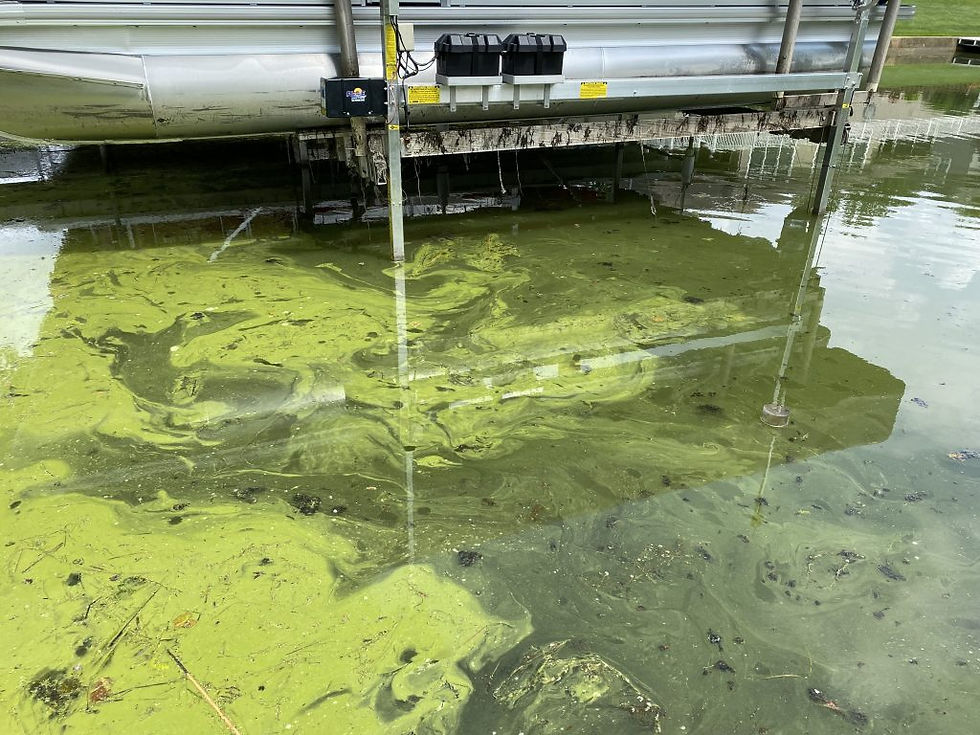 | Blue green algue produces harmful toxins which are harmful for both humans and animals. When it contact with it, it can cause rashs, irritation, vomiting, diarrhea and cause a fever. It can also kill animals such as dogs if they have drunk water contaminated by it. | Rashes Hives Itching Eye Irritation Nausea or vomiting Stomach cramps Diarrhoea Fever Sore throat Headaches |
Animal droppings and feces can be found in waters where wild animals have been near water, these could include dogs, cows, sheep, etc. These can be found in any waters where wild animals can be found. |  | When coming into contact with these, it can cause parasites, bacteria and viruses to spread which can cause illness, including waterborne diseases if ingested. | Skin irritation Infection Eye Irritation Diarrhoea Vomiting Nausea Fever Parasites |
Pollutants can be found in waters where waste-products have entered the waters, this could include chemical spills, farm waste or sewage. These can be found around built up areas, farms, industry sites, etc. | 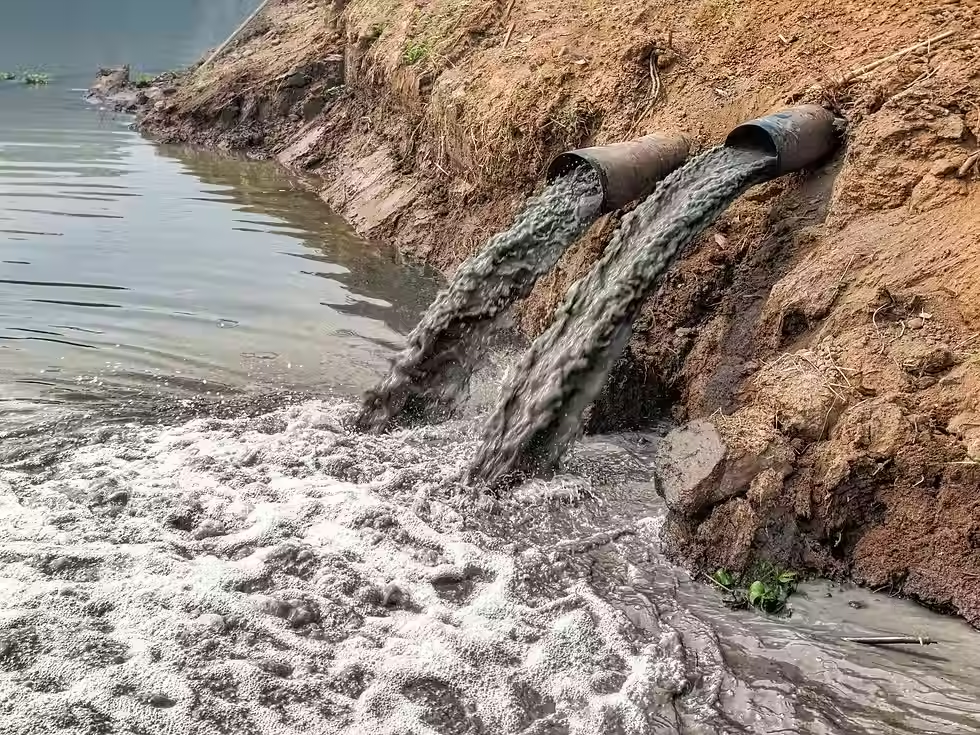 | When coming into contact with pollutants in water, it can cause skin irritation, breathing problems, poisoning and long term illnesses which effect people and animals. | Burning Itching Rashes Blisters Headaches Dizziness Breathing difficulties Throat pain Chest Pain Stomach Pain Vomitting Nausea |
Weil's Disease, also known as Leptospirosis, is a bacterial infection which can be spread through contaminated water from the likes of rats and animal urine. They can be found in Rivers, canals, ponds, etc, around built up areas. | 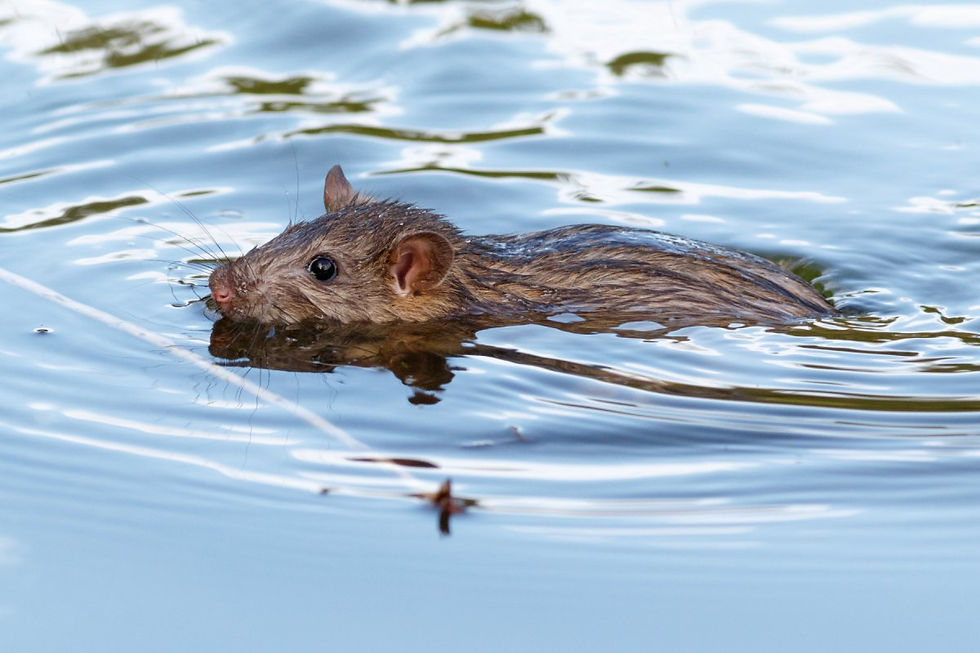 | When in contact with this diseas, it can cause a fever, vomiting, muscle pains and headaches. It can eventually lead to kidney or liver damage if it is not treated, and can be fatal if left. | Fever and chills Headcahes Muscle Pain Vomiting and nausea Redness in eyes Confusion Chest Pain Yellow eyes or skin |
Element 4 – Demonstrate knowledge of rescue techniques
a. Explain the water safety code

1. Stop & Think – Spot the Dangers
Always check your surroundings before going near water.
Look for strong currents, slippery banks, or hidden hazards under the surface such as depth, litter, etc
Watch out for cold water shock, even on hot days.
Ask yourself: Is it safe to go near or into this water?
2. Stay Together – Don’t Go Alone
Always go near water with friends or adults.
Children should be supervised at all times.
Make sure someone knows where you are and when you’ll be back.
Stay within sight of your group.
3. Take Safety Advice
Obey all warning signs, flags, and lifeguard instructions.
Know your local emergency number, including 999 and 101
Wear the correct safety gear such as life jackets for water activities.
Don’t enter private or dangerous areas.
4. Learn How to Help – Without Putting Yourself in Danger
If someone is in trouble:
Call for help: Dial 999 (ask for Fire and Rescue if inland, or Coastguard if at sea).
Do not go in the water yourself.
Use the “reach or throw, don’t go” method:
Reach with a stick or branch, or
Throw a rope, float, or life ring.
Learn basic rescue and first aid skills so you’re prepared.
b. Demonstrate reaching techniques with aids
Completed with Ann at Guy's farm, including using a stick or pole, throwing a throw bag, using a floatation device, lying flat on your stomach to lower the centre of gravity, and spread your weight,
c. Demonstrate throwing techniques
Completed with Ann at Guy's farm including throwing an inflated ball, a throw bag and using a reach stick and how to throw them for someone to use and reach.
d. Explain the limitations and hazards of the above
Using a reach stick or pole | Using a throw bag | Using a floatation device |
The stick or pole being used may not be long enough to reach the person in trouble
The stick or pole may be slippy, or difficult to hold in moving currents.
The person in distress may pull too hard and cause somebody else to fall int he water, hence why you lie on your stomach when reaching out to help prevent this
Make shift poles may snap, such as branches
| The bag may be thrown wrong or not land near the person in distress, this could be due to wind, moving water or a bad throw The person in distress may struggle to get to it, especially if they are panicking Requires skill to throw and aim the bag with training, and needs a clear area to throw the height The rope could become tangled around the person or objects in the water | Needs an accurate throw to reach the person in distress, such as a good throw. The person in distress may struggle to grab it The floatation device may float away with the wind or any currents May not support the person in distress as needed |
e. Explain the dangers of getting in the water yourself
There is a range of dangers that people should be aware of regarding getting into water, these include:
Going into shock: Getting into water can be very cold, even on warmer days, suddenly going into water can cause panicked breathing, gasping for breathe, hyperventilation, loss of muscle control, which can lead to drowning.
Strong currents: These may not be visible to the naked eye, these may be powerful enough to cause someone to fall over or get trapped.
Hidden hazards in the water: Things may not be visible in the water, such as rocks, weeds, branches, litter, glass, etc, which could cause someone to get hurt or trapped, leading to a serious injury.
Rescuing a person: The person in distress may be panicking and go to grab the person who is rescuing, This could lead to both people getting into trouble, which may lead to exhaustion or drowning.

Comments