Module 4
- Jun 20, 2024
- 5 min read
Updated: Mar 20, 2025
Element 4a: Demonstrate personal and leadership skills
i. Share your general knowledge with the group during the walk
Inspire Element
ii. Show that your own physical fitness and personal walking skills exceed those required by a group member at this level
Discuss with Ann
iii. Assess and monitor the personal fitness, medical conditions and other limitations of yourself and your group during a walk
Discuss with Ann
Element 4b: Manage the group
i.Explain the different ways to lead a group
Front Leadership (Leading from the Front)
How it works: The leader stays at the front of the group, setting the pace and navigating the route. Best for: Groups unfamiliar with the route, challenging terrain requiring clear navigation, situations where a steady pace must be maintained.
Advantages: Ensures the group follows the planned route and allows the leader to spot and address obstacles ahead.
Challenges: Difficult to monitor everyone, especially people at the back.
Rear Leadership (Leading from the Back)
How it works: The leader stays at the back, ensuring no one gets left behind and encouraging slower walkers.
Best for: Groups with varying fitness levels, and familiar routes where the group can self-navigate.
Advantages: Keeps the group together and provides support to those who need it. and encourages a sense of independence among confident walkers.
Challenges: Harder to spot and deal with navigation issues or hazards ahead.
Distributed Leadership (Assigning Roles)
How it works: The leader assigns roles, such as a navigator at the front, a sweeper at the back, and a mid-group monitor.
Best for: Larger groups where close supervision is difficult and long or complex walks requiring teamwork.
Advantages: Shares responsibility, reducing the leader's burden and ensures all parts of the group are managed.
Challenges: Requires clear communication and trust among members.\
Flexible Leadership (Adapting to the Situation)
How it works: The leader moves between the front, middle, and back as needed, adapting to the group’s dynamics and the terrain.
Best for: Small to medium-sized groups with varying needs and walks with changing terrain or challenges.
Advantages: Provides support and guidance wherever needed and keeps the group engaged and cohesive.
Challenges: Can be physically demanding for the leader.
Guided Leadership (Using a Fixed Plan)
How it works: The leader provides detailed instructions before the walk, with check-in points along the route where the group regroups.
Best for: Experienced walkers who prefer some independence and familiar or well-marked trails.
Advantages: Reduces the need for constant supervision and gives walkers a sense of freedom and exploration.
Challenges: Risks of group members getting lost or separated if not well-coordinated.
Collaborative Leadership (Engaging the Group)
How it works: Decisions are made collectively, and leadership responsibilities are shared among the group.
Best for: Informal or social groups with experienced walkers and walks emphasising teamwork and group bonding.
Advantages: Encourages participation and builds group morale and reduces pressure on a single leader.
Challenges: May lead to slower decision-making or conflicts if opinions differ.
Key Leadership Considerations
Group Dynamics: Adapt your leadership style based on the group’s size, fitness levels, and experience.
Safety First: Ensure everyone is accounted for and aware of hazards.
Communication: Use clear signals or instructions to guide the group.
Flexibility: Be ready to change your approach based on weather, terrain, or group needs.
ii. Brief group members before and during the walk
Inspire Element
iii. Set an appropriate pace for the group
Inspire Element
iv. Explain how to cater for the needs of the group and individual members
Pre-Walk Planning
Assess the fitness levels, experience, and walking pace of group members. Identify specific needs, such as medical conditions, dietary preferences, or mobility challenges that members of the group may face.
With this information, choose a route suitable for the least experienced or fit members. Consider alternative paths or shortcuts to adjust for different abilities.
Before the walk begins, brief the group on the walk’s difficulty, distance, expected duration, and terrain and encourage participants to bring appropriate clothing, footwear, water, and snacks.
During the Walk
Set a manageable pace for the group walking at a speed that accommodates everybody. Remember to take regular breaks to allow everyone to rest and regroup. Throughout the walk use verbal instructions to guide the group through your route and keep everyone informed about upcoming terrain changes or challenges.
For Individual Members who may need additional support walk with slower members to ensure they don’t feel left behind and offer help to those struggling with terrain or carrying heavy bags.
Watch for any signs of fatigue, dehydration, or discomfort within the group and address concerns promptly, such as blisters, injuries, or weather-related issues and provide first aid where possible.
Managing Specific Needs
Before the walk, see if there are any other specific needs that need any medications to be brought, as well as making sure first aid supplies are packed. .
If there are group members who wish to attend with additional needs, adapt the route, this can also be done during the walk if someone shows signs of discomfort or health issues.
For walks with children or beginners choose shorter, engaging routes with interactive elements like wildlife or landmarks.
Dealing with Challenges
Weather Changes may mean that the leader needs to adapt the route or seek shelter if conditions worsen, during this, ensure everyone is dressed appropriately for sudden changes.
During the walk, there is risk of group Separation, use a buddy system or designated meeting points to prevent anyone from getting lost. Injuries or Fatigue may also happen, if this does, stop and provide first aid as needed or adjust the route or call for help if necessary.
Post-Walk Care
A post walk check in can be beneficial to ensure everyone completes the walk safely and feels satisfied with the experience. It can also be an opportunity to gather feedback and ask for input on what worked well and what could be improved and well as sharing photos, route details, or resources for future walks.
v. Explain how to show consideration for members of the public when outdoors
There are several ways to be considerate for other people whilst outdoors, some include:
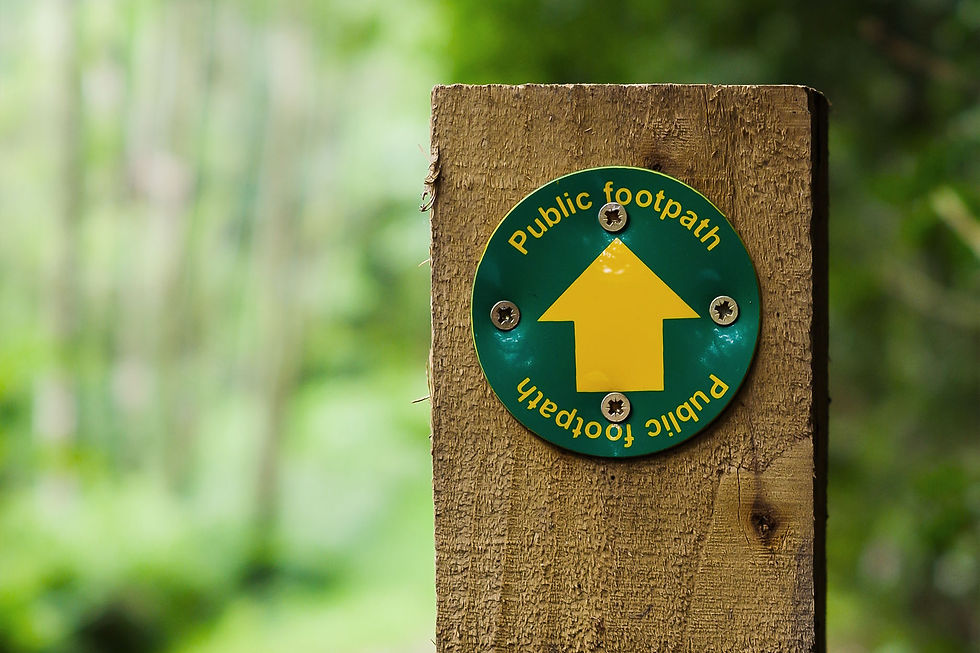
Following the countryside code, such as sticking to marked paths, giving way to others and allowing room for people to pass, avoiding trespassing on private properties.
Keeping noise levels down around others, such as loudly talking, playing music, etc.
Managing your pets if you are walking them, such as picking up after your dog, keeping dogs under control and on a lead around others, especially livestock.
Avoiding blocking trails if you need a rest
Taking litter home and allowing others to enjoy nature, following the leave no trace guidelines. Avoid picking nature, such as flowers and disturbing habitats.
Comments